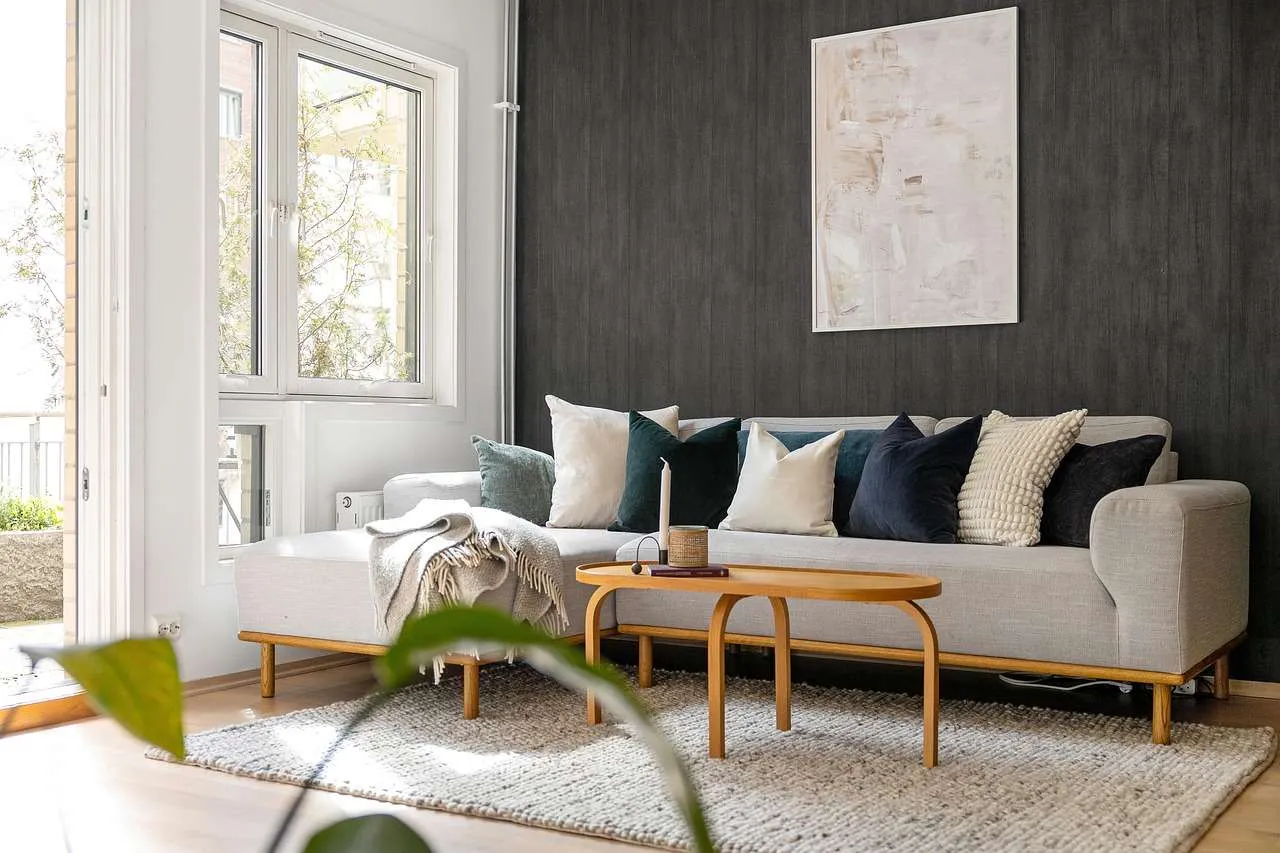
If you are searching for home window tinting near me, you want local experts who can deliver durable film, precise installation, and reliable warranties. This guide helps you understand benefits, options, and how to evaluate contractors in your area.
Why home window tinting near me matters
Window tinting offers UV protection, glare reduction, privacy, and energy efficiency. Modern films block up to 99 percent of UV rays, protecting interiors and skin. Heat rejecting films reduce cooling loads, support a comfortable indoor climate, and may lower monthly energy bills. Some films add safety by helping hold glass together if a break occurs. For homeowners, these advantages translate into long term value and improved living spaces.
To maximize comfort and aesthetics, consider daylighting preferences and tint shades that complement exterior design. Films come in a range of colors and levels of reflectivity, so your home still looks natural from the street. For safety focused households, some options also offer scratch resistance and shatter protection.
How to find a trusted local installer
To locate a reputable option, search for home window tinting near me plus your city or neighborhood. Read recent customer reviews, verify licenses and insurance, and ask for manufacturer certified training. Request before and after photos, performance data on heat rejection, and a clear warranty policy. When possible, check how the installer handles different window styles such as single hung, double hung, casement, and tempered glass.
Film types and what they mean for your home
| Film Type | Heat Rejection | UV Protection | Glare Reduction | Cost | Best For |
|---|---|---|---|---|---|
| Dyed | Moderate | Good | Moderate | Low | Budget projects |
| Metalized | High | Excellent | Low | Medium | Great heat control but watch for electronics interference |
| Ceramic | Excellent | Excellent | Excellent | High | Best overall performance |
| Carbon | High | Very Good | Moderate | Medium-High | Energy efficient with natural look |
What to expect during installation
Professional installers measure each pane, prepare the glass and frame, and protect surrounding surfaces. The film is then applied with precision to remove air pockets and ensure a smooth finish. For curved or large panes, multiple pieces may be trimmed and joined. Expect a curing period before full exposure to cleaning, and ask about guarantees against bubbling, peeling, or edge seal failures.
Costs, warranties, and return on investment
Prices vary with film type, window size, and labor. A residential tinting project may range from a few hundred to several thousand dollars. Consider energy savings, improved comfort, and longer lasting interiors when evaluating value. Look for a transferable warranty on both material and workmanship, and confirm how long it lasts and what it covers.
Questions to ask and how to verify quality
Are you licensed and insured? Do you offer manufacturer training and warranty documentation? Can you provide film samples and performance data for heat rejection and UV protection? What is your scheduling estimate and cure time? Will you remove existing film and protect surfaces during installation?
Comparison and takeaway
Summary of key factors to consider, helping you choose the right local pro and film type for your climate and home design.
| Factor | Ceramic | Carbon | Dyed | Metalized |
|---|---|---|---|---|
| Heat Rejection | Excellent | High | Moderate | High |
| UV Protection | Excellent | Very Good | Good | Excellent |
| Glare Reduction | Excellent | Good | Moderate | Low |
| Electronic Interference | None | Possible | None | Possible |
| Cost | High | Medium-High | Low | Medium |
Conclusion, by choosing a local installer with proven track record and a film type that suits your climate, you maximize energy savings, comfort, privacy, and interior protection while preserving window functionality and aesthetics.