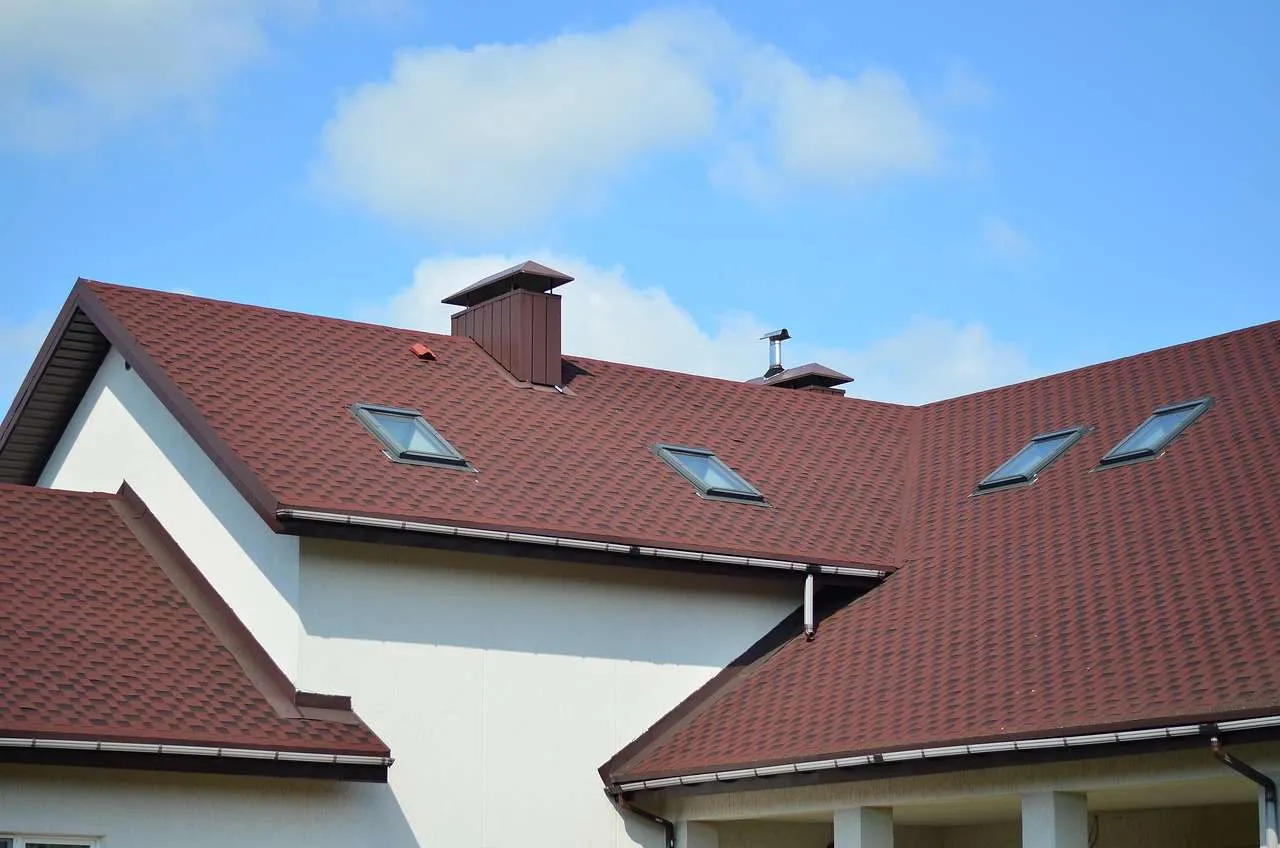
Repair of roofing is a critical home maintenance task that protects your family and property. A well maintained roof not only keeps water out but also improves energy efficiency and property value. This guide brings professional insight, practical steps, and safety considerations to help homeowners navigate common roof repairs with confidence.
How to spot when a roof needs repair
Common signs include water stains on ceilings, drips during rain, missing shingles, curling edges, granule loss in gutters, and damaged flashing around chimneys or vents. Even small issues can escalate quickly if ignored, leading to costly damage to insulation and ceilings. For a homeowner, assessing the problem accurately is part of the expertise we expect from a professional the repair of roofing. If you notice repeated leaks after rain or after heavy winds, plan an inspection.
Repair options and when to choose them
Temporary fixes
Temporary measures can stop immediate leakage but are not a substitute for a proper repair. These include tarps or sealants used to buy time until a professional can restore the roof. Use these with caution and never climb onto a wet roof without proper safety gear.
Permanent roof repairs
Permanent repairs focus on replacing damaged shingles, resealing flashing, fixing vent boots, and addressing structural or decking issues if present. When performed correctly, a repair can extend the life of your roof by several years. The repair of roofing often involves more than one component, and a comprehensive plan yields enduring results.
DIY versus hiring a professional
Some minor fixes on asphalt shingles may be attempted by capable homeowners, but roofing is inherently dangerous work. Falls, tool injuries, and improper sealing can lead to more damage and void your warranty. Most reputable contractors are licensed and insured, offering warranties on materials and workmanship. EEAT requires evidence of expertise and trust, so rely on experienced roofers for anything beyond basic maintenance.
Step by step process for a typical repair
Inspection, planning, and proper material selection are the foundation of a durable repair. A typical repair includes:
- Identify the leak source by following the water path from interior to exterior
- Remove damaged shingles and inspect underlying decking for rot
- Replace damaged sheathing if needed and install new shingles with proper nailing
- Seal flashing and around roof penetrations with compatible sealants
- Clean gutters and ensure proper drainage to prevent future buildup
Materials and tools you may encounter
Essential materials include replacement shingles that match the existing roof, roofing nails, underlayment or felt, flashing, sealant, and roofing cement. Tools typically needed are a pry bar, hammer, utility knife, chalk line, measuring tape, ladder, and safety gear such as harnesses and gloves. For a professional, the selection and installation must meet local building codes and manufacturer requirements to guarantee the repair of roofing durability and warranty coverage.
Costs, planning, and when to replace rather than repair
Cost varies by roof type, extent of damage, and location. Minor repairs such as resealing flashing or replacing a handful of shingles are usually less expensive than a full roof replacement. When damage is extensive or near the deck and ventilation systems, replacement may be more cost-effective in the long run. The following table summarizes typical scenarios and rough cost ranges.
| Scenario | Typical Repair Approach | Estimated cost range |
|---|---|---|
| Small leak around flashing | Seal and reseal flashing, replace around the area | 200–600 |
| Missing or damaged shingles | Shingle replacement and resealing | 150–800 |
| Cracked vent boot or flashing corrosion | Replace boot and reseal joints | 150–450 |
| Widespread damage or aged roof | Partial or full roof replacement may be needed | 3,000–8,000+ |
Comparison table: repair versus replacement
| Repair versus replacement | Pros | Cons |
|---|---|---|
| Repair | Lower upfront cost, faster fix, preserves existing warranty if eligible | May only be a temporary fix; life expectancy limited |
| Replacement | Long term solution, new warranties, improved insulation | Higher upfront cost, more disruption |
Maintenance to extend roof life and prevent future repairs
Regular inspections after severe weather, cleaning gutters, trimming overhanging branches, and addressing attic ventilation help prevent leaks. Keep records of repairs and warranties so that future work is properly documented for homeowners and inspectors. A proactive maintenance plan is a core component of the EEAT approach, showing ongoing commitment to roof health.
Questions to ask a roofing contractor
Before hiring a professional, verify licensing and insurance, request references, and ask about material warranties. Inquire about project timelines, permit requirements, and how they handle unexpected issues. A credible contractor should provide a written estimate, a scope of work, and a clear warranty policy.
Conclusion
Repair of roofing is a practical skill balanced with professional judgment. By recognizing warning signs, choosing appropriate repair options, planning for costs, and selecting a qualified contractor, homeowners can protect their home and investments. Remember safety first and prioritize durable, code compliant repairs that extend roof life.
Summary: The repair of roofing involves accurate diagnosis, appropriate repair options, cost awareness, and ongoing maintenance to extend the roof life and protect your home.